Wood Movement: Build So Your Work Won’t Crack

Learn how wood movement causes cracks and warping, plus proven joinery and design fixes that let solid wood expand and contract without splitting.
Learn how wood movement causes cracks and warping, plus proven joinery and design fixes that let solid wood expand and contract without splitting.

Stop panels from cupping after glue-up. Learn the real causes and clamping, grain, and moisture fixes that keep solid-wood panels flat and gap-free.

Learn to read grain direction and stop tearout when hand planing. Practical steps, a real example, and fixes for the most common planing mistakes.

Flatten a cupped or twisted board by hand with winding sticks and a plane. Step-by-step method, a real example, and fixes for common flattening mistakes.
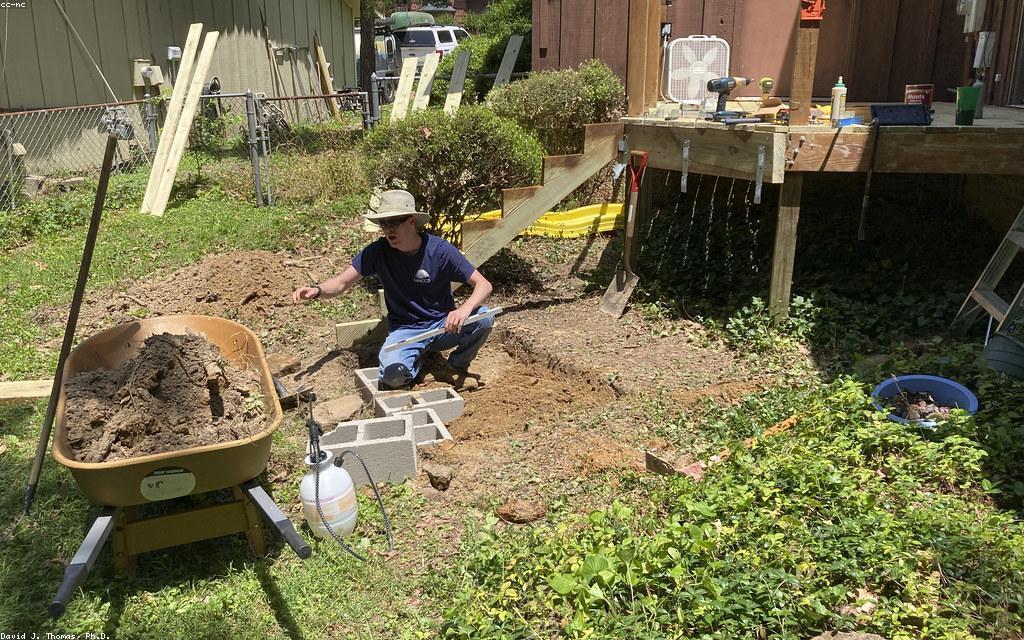
Plenty of fine work has come out of a single-car garage, a spare bedroom, or a corner of a basement. A cramped shop is an inconvenience, not a barrier. The key is to stop thinking of the space as fixed and start treating every surface, wall, and wheel as something that can earn its keep. … Read more

A practical guide to hand-cut dovetails that fit tight without gaps: layout, sawing to the line, paring, and fixing the mistakes that ruin the joint.

Learn how to stop tear-out when planing figured wood using a tuned chipbreaker, a sharp blade, and a higher cutting angle for a clean, glassy surface.

Fix weak wood glue joints for good. Learn why bonds fail, how to clamp for strength, and the common mistakes that ruin an otherwise good glue-up.
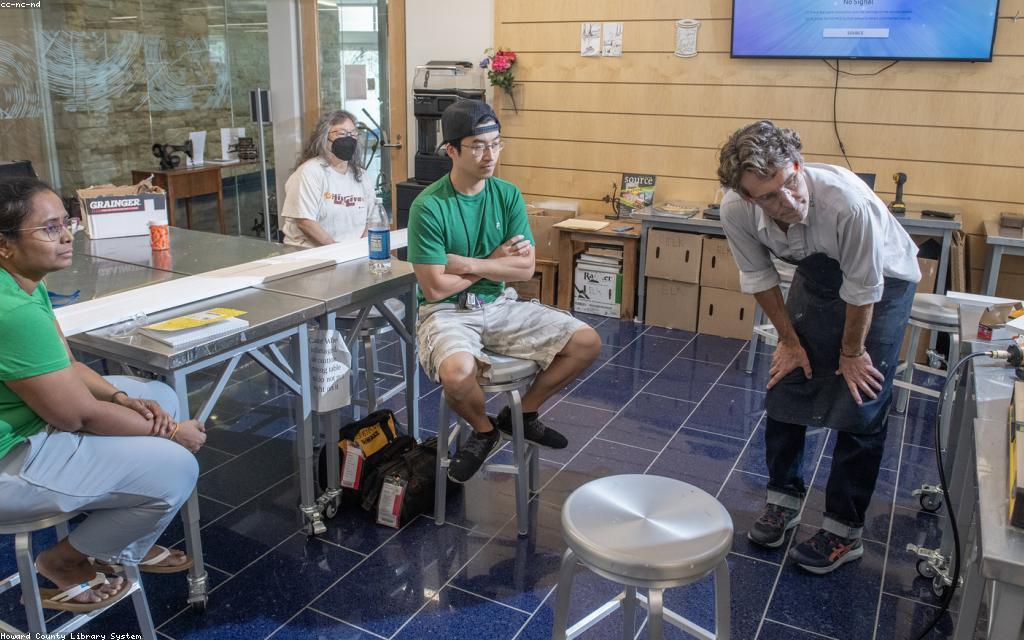
There comes a point in any project when the joinery is done and a decision arrives: how to protect the wood without hiding it. Glossy film finishes have their place, but they sit on top of the surface like a layer of plastic. For people who want to feel the wood and see its grain … Read more

Chunks tearing out as you plane? Learn what causes tearout and clear fixes for planing direction, blade sharpness, and mouth setting for a clean surface.

Learn why panel glue-ups cup and how to clamp, orient grain, and use cauls so your boards dry dead flat and ready to finish with far less sanding work.
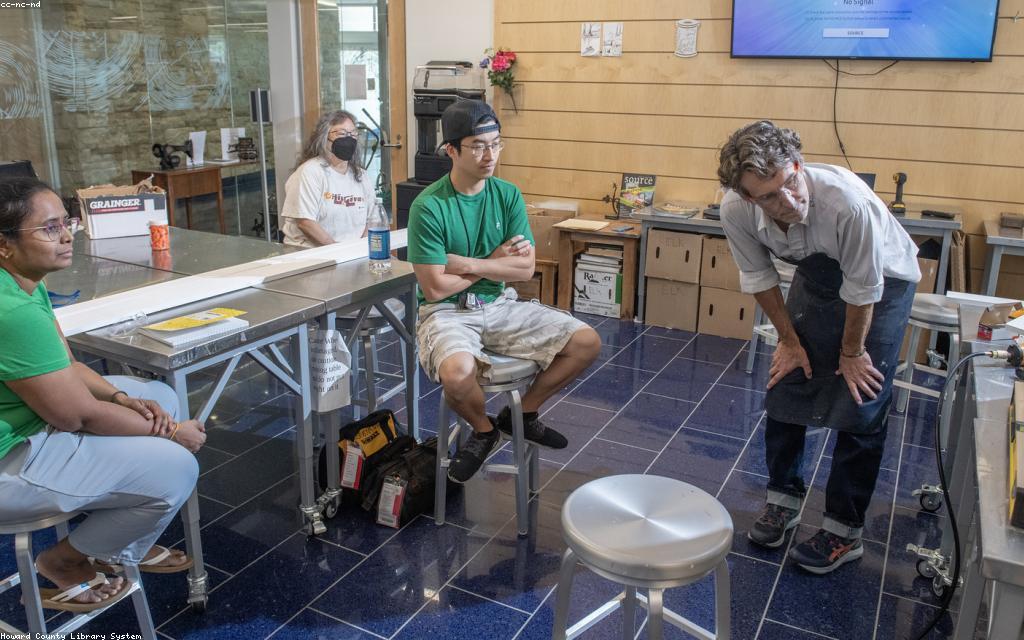
A dull chisel is dangerous and discouraging. It tears wood instead of slicing it, skates off the line, and forces you to push so hard that control disappears. A sharp one feels like a different tool entirely, peeling shavings with almost no effort. The good news is that sharpening is a learnable skill, not a … Read more

Learn why your saw cuts drift out of square and get clear, repeatable fixes for square cuts using a saw, marking gauge, and simple checks in the workshop.
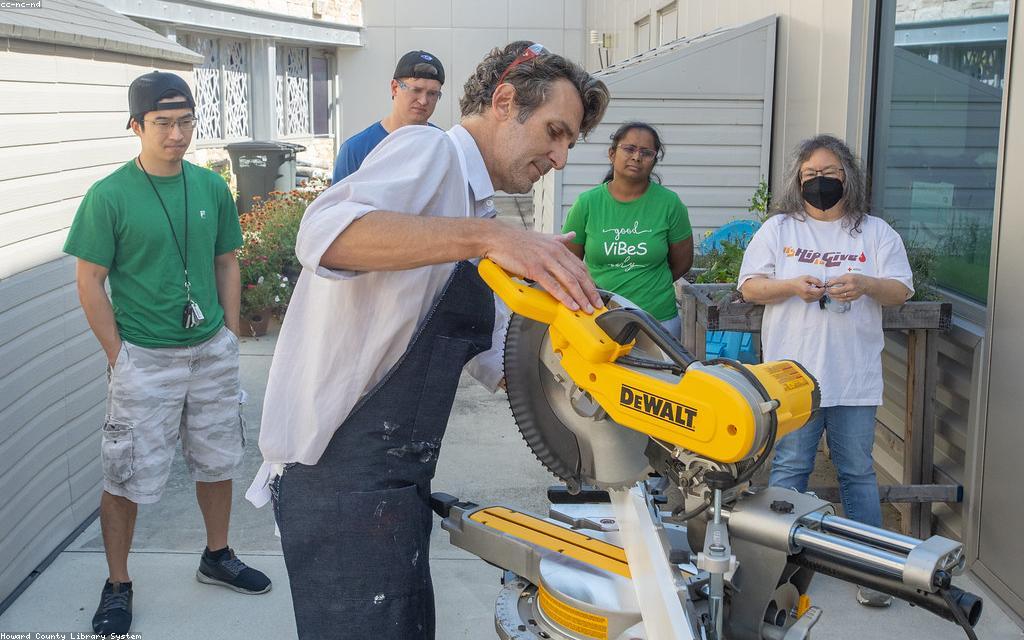
Every piece of solid wood is still doing something long after the tree has been felled. It takes on and gives off moisture from the air, and as it does, it swells and shrinks. The frustrating part for beginners is that this movement is uneven. Wood expands and contracts significantly across its width but barely … Read more

Boards slipping and cupping during clamping? Learn why panel glue-ups slide and how to get flat, tight, well-aligned panels every time in your workshop.

Rough-sawn lumber is cheaper by the board foot, comes in better grades, and lets you choose your own grain instead of accepting whatever the home center pre-surfaced that morning. The catch is that it arrives cupped, twisted, and furry from the saw. Most instructions assume you own a powered jointer and a thickness planer to … Read more

Through dovetails are the joint that intimidates newcomers more than any other, and it is easy to see why. They are the joint people photograph, the one on the front of the drawer where every gap is on display. But the dovetail earns its reputation for strength honestly: its interlocking wedges resist the exact pulling … Read more

A beautiful tabletop that splits down the middle a season after you finished it is one of woodworking’s most disheartening failures, and it is almost always avoidable. Wood is not an inert material like steel or plastic. It is a bundle of long cellulose straws that soaked up and gave off water while the tree … Read more
The glue-up is the moment in a project where hours of careful work either come together or come undone, and it is where beginners feel the most panic. The glue is spread, the clock is running, boards are sliding around, and something always seems to be going wrong at once. Yet a strong, flat, gap-free … Read more

Wood finishing causes more confusion among beginners than almost any other part of the craft, so we have gathered the questions we are asked most often and answered them plainly. Get the finish right and even a simple build looks accomplished; get it wrong and the finest joinery is let down at the final hurdle. … Read more

Learn why wood glue joints fail and how to build strong glue-ups every time with the right glue, surface prep, clamping pressure, and open time.

A small living room need not feel cramped. With a few considered choices you can make even the most modest space feel calm, open and genuinely welcoming. These are the ideas we return to again and again when helping friends rethink a tight room, and none of them require knocking down a wall. Readers who … Read more

Wood movement makes solid tabletops crack across the seasons. Learn how to design and attach tops so they expand and contract without splitting.

No jointer or planer? Learn how to flatten a rough board by hand using winding sticks and a hand plane, step by step, without expensive machines.

Choosing between oak and pine is one of the first big decisions any furniture maker faces, and there is no single right answer. Each timber has a personality of its own, and the better you understand them, the more confidently you can match wood to project. Here we compare the two honestly, without pretending one … Read more

Floating shelves look effortless, which is precisely why getting them right matters. A shelf that sags or pulls away from the wall is not just unsightly, it can be genuinely dangerous. The good news is that with a free afternoon and a little care, fitting a sturdy floating shelf is well within reach of a … Read more

Setting up your first workshop is exciting, but it is easy to be talked into buying expensive machinery you will rarely touch while overlooking the humble tools that do ninety per cent of the work. After years of teaching weekend beginners, we have refined a list of the kit that genuinely earns its place on … Read more

A solid wood dining table is one of those rare pieces of furniture that, looked after properly, will comfortably outlast the person who built it. In our workshop we have repaired Victorian tables that are well over a century old, and the only reason they survived is that someone, somewhere, gave them a little regular … Read more